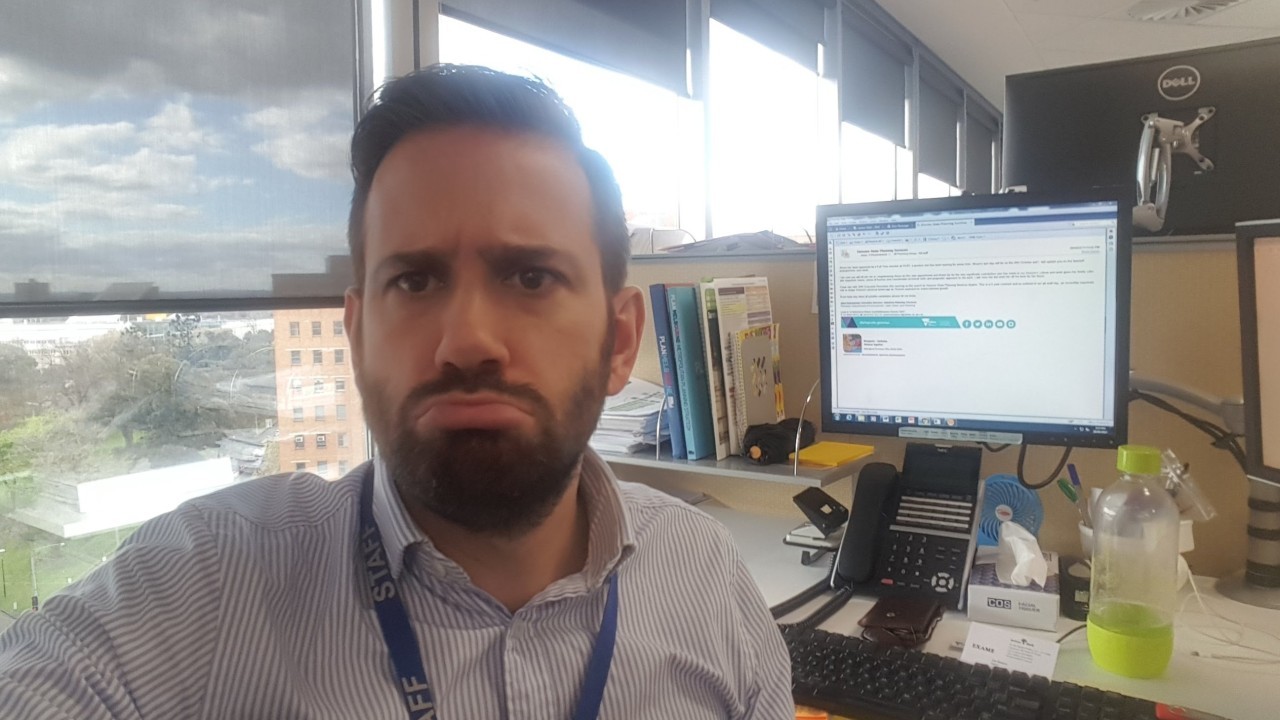
Early in my career, I nearly left planning, then worked on 20-minute neighbourhoods, and founded Spero-ai; spero is Latin for hope, which we’re restoring to the planning system.
I was working in a more statutory role, back in 2008, when I first came to Australia from the UK. It seemed like the whole job revolved around forms and process, not improving places. I’d trained to think critically, to shape better environments, but instead found myself buried in paperwork, following rigid processes with little room for creativity or impact. It felt like planning had become detached from its purpose.
What frustrated me most was the absence of genuine discussion about outcomes. No one seemed to ask: Are we actually making this place better? I cared deeply about that question. Still do. But back then, the process was king, and the human side of planning was lost. I felt de-skilled, disillusioned, and ready to walk away. No doubt things have improved, but I know there are people in the profession that still feel this way.
Thankfully, I was given an opportunity that changed these feelings for me.
I moved into a strategic planning role and worked on Plan Melbourne 2017–2050, a dream job for any planner. It was a rare chance to help shape a long-term vision for one of the world’s most liveable cities. For the first time, I could think big, about the city as a whole down to neighbourhoods, and how good planning can genuinely improve people’s lives.
That led me to develop and lead Victoria’s 20-minute neighbourhoods policy, one of the most rewarding projects of my career. It focused on creating well designed neighbourhoods where people could meet most daily needs within a short walk from home, supporting good health, community connection, and creating better designed places. It centred people.
The work gained national and global recognition and was adopted in planning frameworks around the world, in particular in Scotland where it is now a foundation of the planning system there. That experience reaffirmed what I’d always believed: planning, when done well, is a powerful force for good.
But it also exposed the persistent challenges in how we deliver planning and actually deliver on these policies, which was proving to be very difficult. There are challenges that affect not only planners, but councils, applicants, developers and communities alike. Despite good intentions, the system is riddled with inefficiencies, delays, and confusion, and planners often don't have time for the important stuff as they are stuck in the day to day. Councils and State Government Departments are overwhelmed, with staff that are burnt out, the development industry is frustrated, and applicants often don’t know where to start or turn. The entire process has become harder than it needs to be.
That’s why I founded Spero-ai.
Spero means hope in Latin, and that’s what we’re restoring to the planning system. Hope that things can be better. That rapidly developing technology including AI can support human expertise, not replace it. That we can move faster without cutting corners. That the system can work better for everyone involved, not just those who know how to navigate it.
At Spero-ai, we’ve built Australia’s first end-to-end embedded-AI planning platform, designed to support the entire journey from first idea to construction. We’ve mapped the pain points across every stage of the planning process and created practical, focused tools to solve them.
Whether it's helping applicants understand what’s required from day one, improving the quality and consistency of permits before submission, automating notifications, clarifying and streamlining referral processes, improving post-permit compliance, or preparing for VCAT our platform is designed to reduce friction, save time, and improve confidence in every aspect of planning, not just one bit.
This isn’t theoretical, we’ve built these tools, and they have been built through listening to councils, planners and industry over the last 6 months. Everything is then tailored through deep partnerships with the people who use it. Our platform gives back time to focus on how we can improve places and get better outcomes. It gives applicants and developers a clearer, faster, more transparent path. And ultimately, it supports better planning outcomes.
Because that’s what still drives me and the planners out there: creating places that work for people, now and into the future.
I didn’t quit. I built something instead. And I believe we can rebuild a better system with the right tools, the right people, and taking a bit of a risk with local talent.

James Mant
MPIA
Chief Executive Officer
Former government director, led award-winning projects including 20‑minute neighbourhoods, Planning Institute Australia committee member



Award-winning AI that unlocks more homes and places
World-leading urban planning and AI expertise dedicated to unlocking planning and development process to deliver better property development faster
Finalist

Australian AI Awards Best Application of Responsible AI 2026
Winner

AI-Native Planning Innovation Australasia 2026
Winner

APAC Insider AI-Powered Urban Planning Platform 2026
Working with

Australasia Property Advisory Association
Accredited

AICPA System and Organization Controls
© Spero-AI 2026