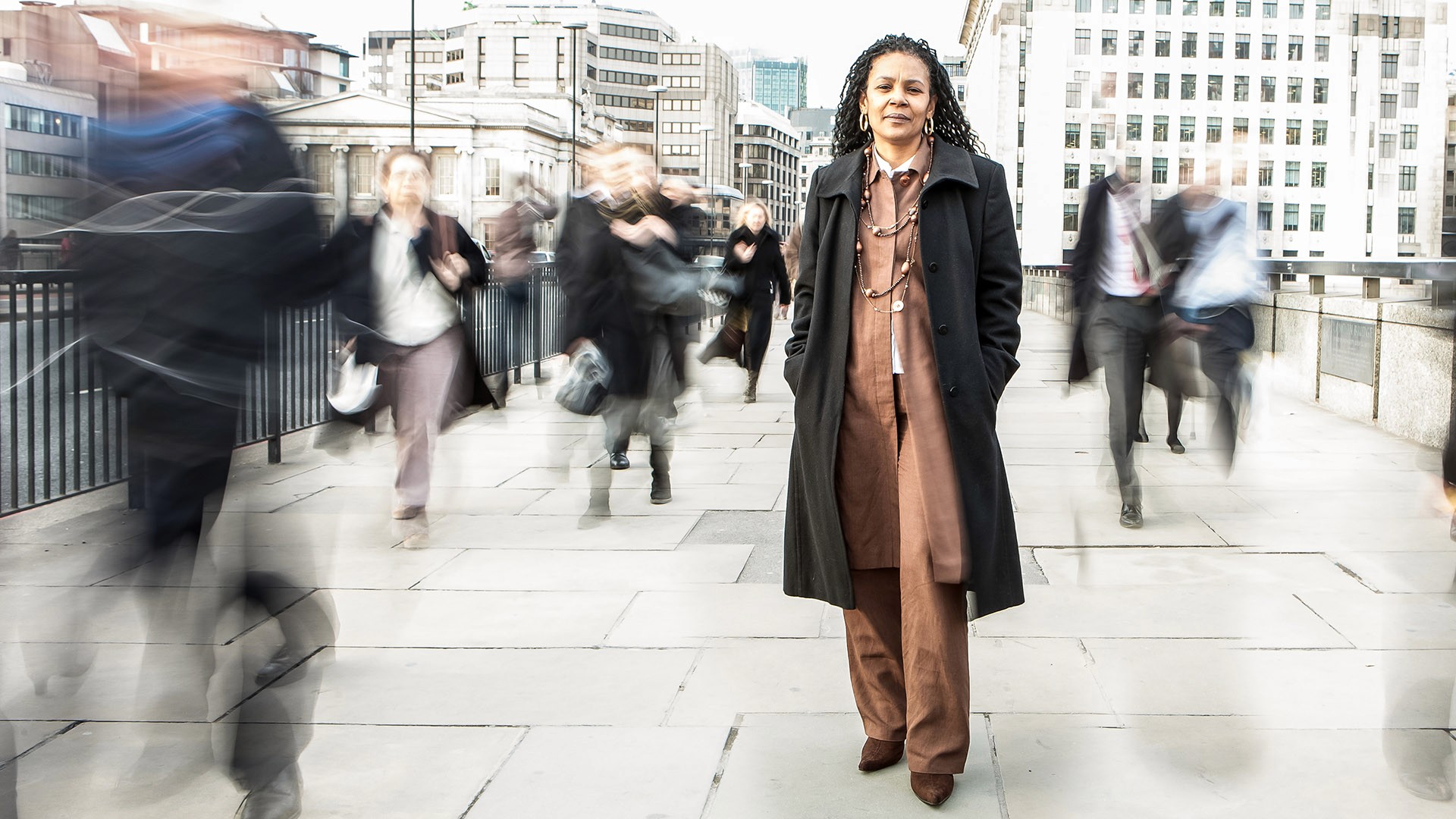
One of the reasons Australians love January is that it’s quiet. Emails slow down. Meetings drop off. The constant urgent requests disappear. And suddenly you can think. You plan.
Every year people say, “I get so much done in January.” But it also reveals something. We do not magically become better at our jobs in January. The noise just drops. In planning, that contrast is hard to ignore, because so much of our year is shaped by other people’s urgency.
Perhaps the theme for 2026 could be: Slow work by design.
Slow work is work done at a human pace. Fewer interruptions, more thinking time, clearer decisions, and more care in the details. It only happens when we design systems and expectations that protect attention, rather than constantly fragmenting it.
One of my biggest lessons from 2025 is that busy-ness is not the same as productiveness. Most planners are not burning out from the meaningful work, they are burning out from the noise around it: context switching, chasing inputs, duplication, and the pressure to respond instantly. When attention is fragmented, quality slips in predictable ways: shallow problem definition, safe defaults, late surprises, and rework that nobody budgets for.
So we can start with addressing things like searching for information, reformatting, duplicating, compiling, writing the same explanation five different ways, minute taking, tracking actions, updating status reports and endless follow ups. In planning, add referrals, conditions, version control across reports, and the “handover loss” that happens when key context lives in inboxes rather than in shared artefacts. These are exactly the tasks that good systems can handle well, if we use them properly. Not to speed up judgement, but to protect it so professional time goes into relationships, design quality and decisions.
I think this links and draws on my work on 20‑minute neighbourhoods, now being implemented in many cities. The 20‑minute neighbourhood is a systems concept, reducing unnecessary travel in everyday life by bringing essentials within reach. It lowers the unnecessary load on time and stress, improves health, and strengthens local connection by design.
January productivity is basically what happens when work becomes more like a 20‑minute neighbourhood. Fewer unnecessary detours, less pointless travel between meetings and less time in inboxes. More time spent on what matters. This reduces burnout and is better for mental health. For the profession, it’s a useful metaphor: simplify pathways, reduce avoidable loops, and make good the default setting rather than the exception.
I’ve always admired the slow food movement, and these ideas link with it. Slow food, slow cities, slow living. It’s not nostalgia; it’s a strategy: simplify, protect quality, and be deliberate about what matters.
Poundbury in the UK, developed by The King’s Foundation (which I visited in 2020), is a useful reference from a planning perspective. In my view the intent aligns with both the slow movement and 20‑minute neighbourhood thinking. It was built for people, making daily life walkable, mixing uses, and treating the public realm as something worth doing properly. It’s a reminder that good places come from care, detail, and long-term thinking and so does good planning work. If we want more January conditions year-round, we need to remove the background noise, and then deliberately protect the space we win back.
In practice, that means stripping out avoidable admin through stronger workflows and fit-for-purpose digital tools (so planners spend less time assembling “the pack” and more time thinking), being explicit about what can be standardised while keeping judgement and accountability with the planner, protecting time saved rather than converting it into more projects and tighter timeframes, resetting norms that fragment attention (fewer standing meetings, real no-meeting blocks, and reasonable response expectations), and measuring what matters: clarity, fewer errors, reduced rework, stronger decisions, and healthier teams, not just volume.
That is the opportunity for 2026. Use better systems to take the repetitive load, so humans can slow down where it matters.
Less noise. More judgement.
Less frantic motion. More craft.
Less burnout. More care.
January shows us what is possible. The challenge now is to stop treating it as a seasonal quirk and start designing planning work, so January becomes the default.

James Mant
MPIA
Chief Executive Officer
Former government director, led award-winning projects including 20‑minute neighbourhoods, Planning Institute Australia committee member




Award-winning AI that unlocks more homes and places
World-leading urban planning and AI expertise dedicated to unlocking planning and development process to deliver better property development faster
Finalist

Australian AI Awards Best Application of Responsible AI 2026
Winner

AI-Native Planning Innovation Australasia 2026
Winner

APAC Insider AI-Powered Urban Planning Platform 2026
Working with

Australasia Property Advisory Association
Accredited

AICPA System and Organization Controls
© Spero-AI 2026