
AI helps purposeful planners deliver meaningful places for us to live, work, and belong, and the future we want
I have seriously pondered this question as I know many others have too. Not because someone asked me, but because I have thought about what it means for my career, for the profession, and for the skills I will need to develop to stay relevant. With all the talk about AI and automation, it is impossible not to wonder: will planners still have jobs in 10 years?
It is a fair question. Planning is a profession that has become very process-driven. Applications, referrals, conditions, notifications. All the things that keep the system moving are things machines can already do faster and more consistently than people. So, it looks like large parts of what we do could easily be automated away.
After thinking deeply about this, I honestly believe that planners will still have jobs in ten years. The work will look different, but not less important. If anything, it could matter more than ever. I wrote about the potential for a renaissance in planning here: From Process to Purpose: A New Hope for Urban Planning.
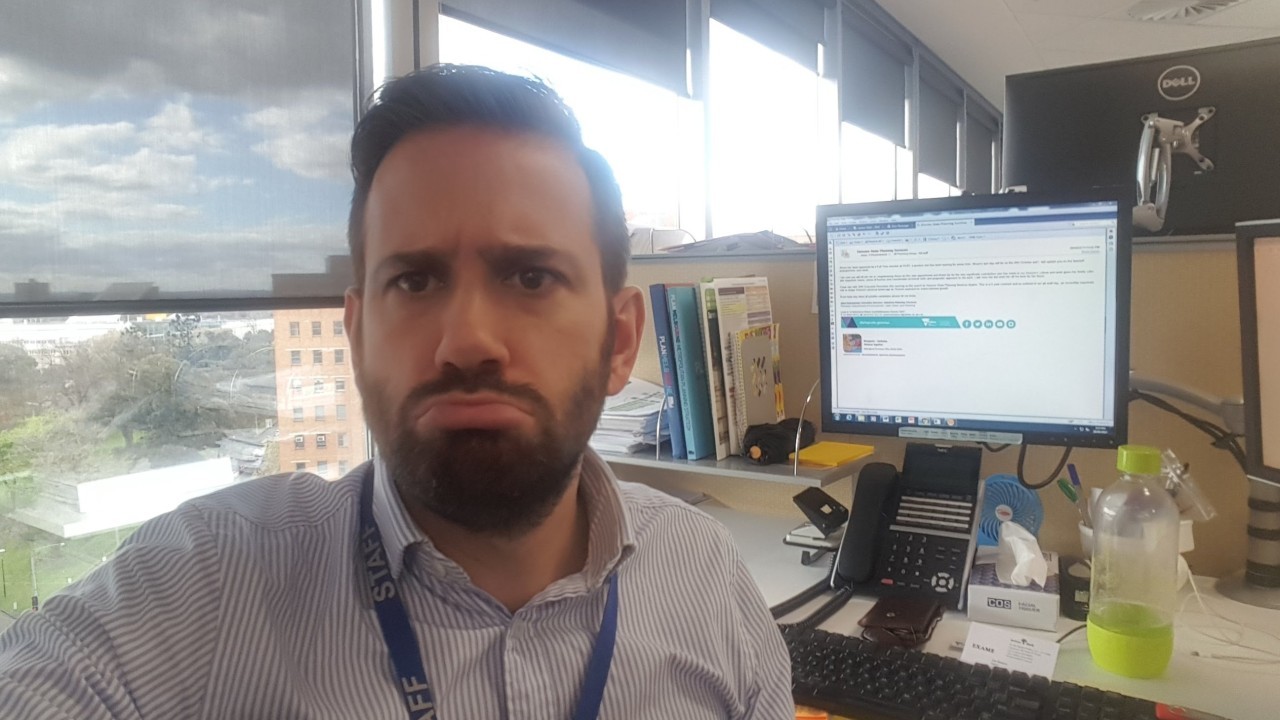
Right now, too many planners feel like administrators rather than professionals. We trained to think critically, to design better environments, to connect communities. But instead, we are often stuck in process. It is no wonder so many feel deskilled and burnt out.
AI can and should take over a lot of the tasks that have held the profession back. Drafting repetitive conditions. Managing referrals. Chasing paperwork. These are not the things that make planning meaningful, and they are not the things that will secure the profession’s future.
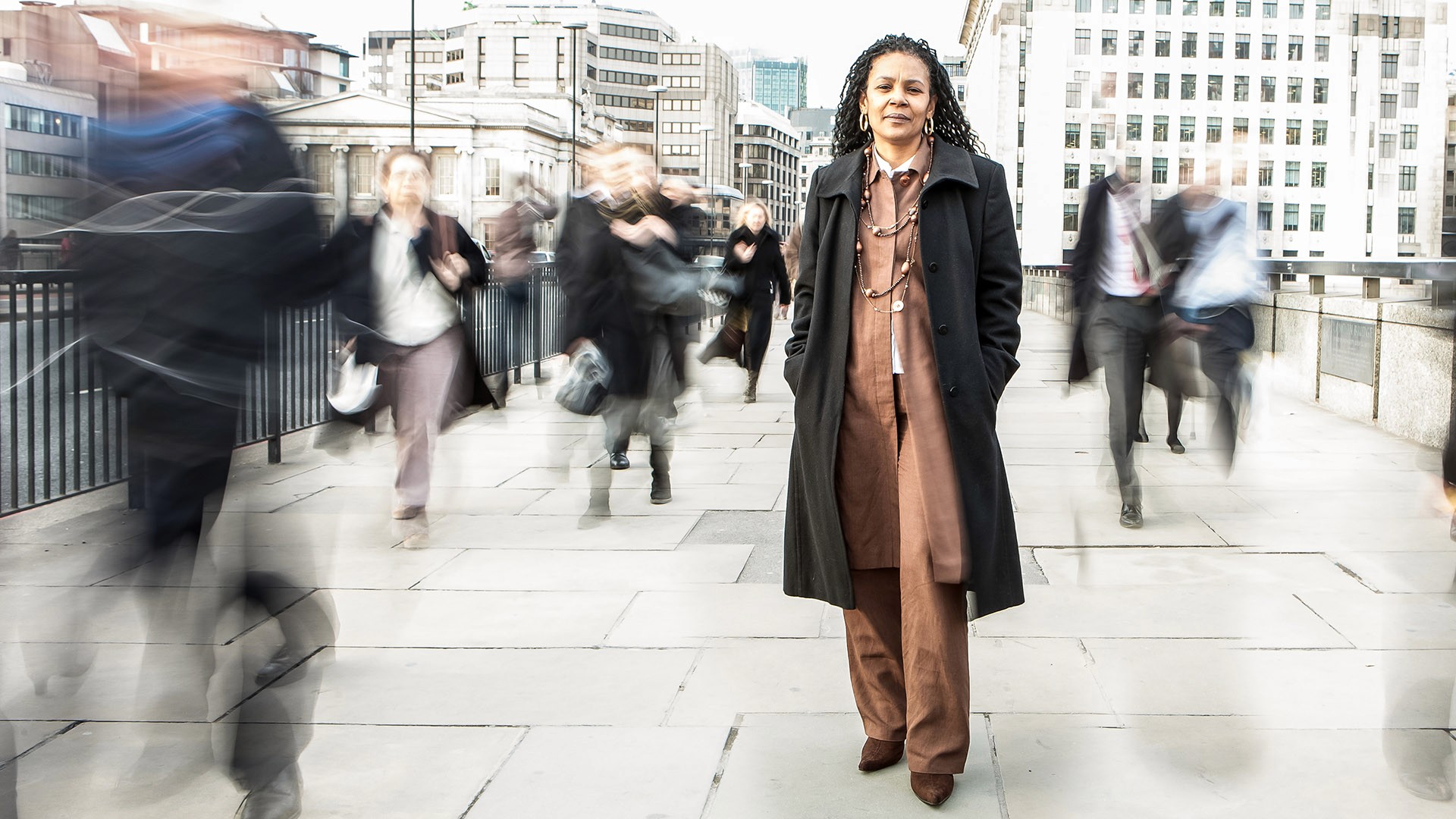
What AI cannot do is replace the human side of planning. Because planning is about people, community, and I believe uniquely human, as it's about our own habitat. It is about the places we live, work, and belong. It is about listening to hopes and fears, balancing competing values, and shaping the environments that frame our lives. It is about feelings as much as frameworks. Machines cannot negotiate those trade-offs, build trust with communities, or imagine what beauty, fairness, and connection should look like in a neighbourhood.
There is another important difference too. AI is built on the past. It draws from what has already been captured digitally, everything that has happened before. But planning is about imagining the future. It asks what could be, not just what has been. That requires vision, creativity, and courage. These are things no algorithm can replicate.
And this is where skills matter. To thrive in the next decade, planners will need to develop new capabilities. Not just technical planning knowledge, but the ability to use AI well. That means learning how to ask the right questions, how to interpret and challenge what a machine produces, and how to combine it with human insight. It means building confidence in our judgement and understanding where human values must lead. Training, reflection, and a shift in mindset will all be needed. AI will not take away the need for planners, but it will change what we need to be good at.
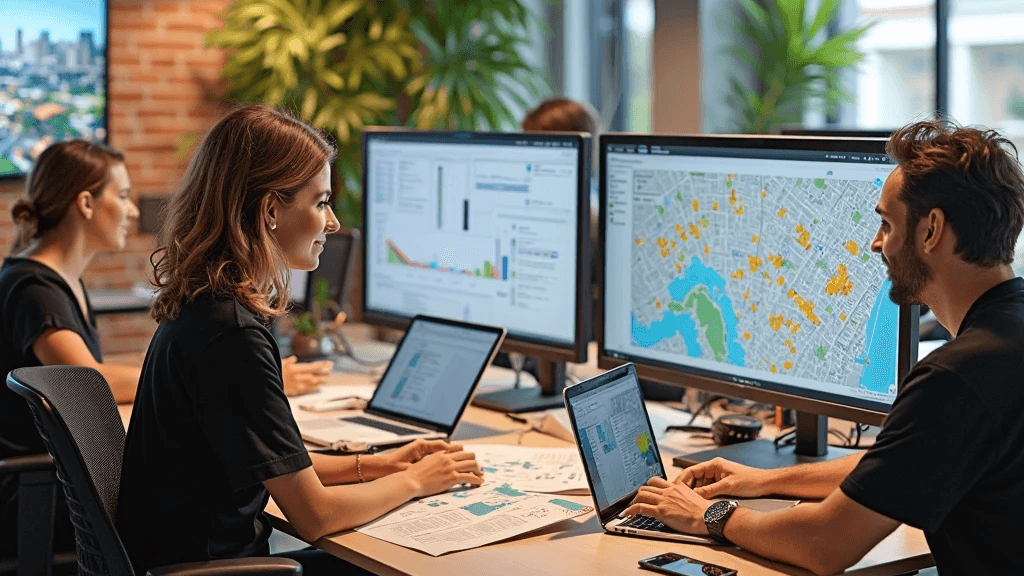
That is one of the reasons I founded Spero-ai. Not because I think machines should replace planners, but because I believe technology can finally give us the space to do what we came into this profession to do. We are building tools to take away the repetitive, time-consuming work so that planners, councils, and applicants can focus on outcomes. AI supports the profession; it does not substitute for it.
In 10 years, planners who embrace technology will spend less time pushing files through a system, and more time shaping visions, engaging communities, and making decisions that matter. That is the job I wanted when I first came into planning. And it is the job I still want.
So, will planners still have jobs in 10 years? Absolutely. But they will not look the same. They will be richer, more creative, more human. Because planning is, at its heart, about people and the places we call home, and because planning is about the future, not just the past.
And that brings me back to the question I want to ask you: if you had more time, if you were freed from the paperwork and the process, what part of your job would you love to spend more time on?

James Mant
MPIA
Chief Executive Officer
Former government director, led award-winning projects including 20‑minute neighbourhoods, Planning Institute Australia committee member
Award-winning AI that unlocks more homes and places
World-leading urban planning and AI expertise dedicated to unlocking planning and development process to deliver better property development faster
Finalist

Australian AI Awards Best Application of Responsible AI 2026
Winner

AI-Native Planning Innovation Australasia 2026
Winner

APAC Insider AI-Powered Urban Planning Platform 2026
Working with

Australasia Property Advisory Association
Accredited

AICPA System and Organization Controls
© Spero-AI 2026